The “Hobbs & Shaw” Trailer is Here!
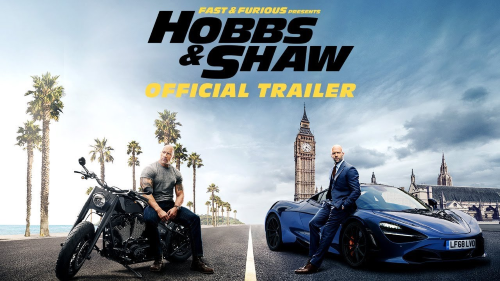
The Hobbs & Shaw Trailer is Here! (And it rocks!)
Previews and Reviews that are Z's Views
The Hobbs & Shaw Trailer is Here! (And it rocks!)
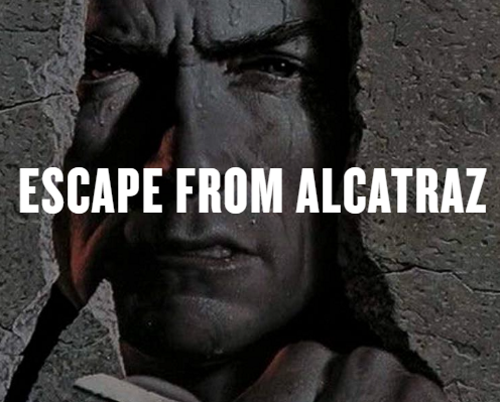
Quentin Tarantino’s first line had me hooked…
Escape from Alcatraz, a film I didn’t like when it came out…
Why was Tarantino writing about a film he didn’t like? Sure, it starred Clint Eastwood and was directed by Don Siegel, but Tarantino didn’t like it and it wasn’t one of my favorite Eastwood films either.
Ah, but when Tarantino revisited it a few years ago, he gained a greater appreciation for it.
Ok Quentin, tell me more.
And he does in his overview of Escape from Alcatraz. If you click over and read it, you’ll not only get the backstory of Escape from Alcatraz, you’ll also learn about the connection to Charles Bronson, Burt Reynolds and more. It’s an interesting read and has made me want to re-visit Eastwood in Escape from Alcatraz. Maybe I’ll like it as much on review as Quentin Tarantino.
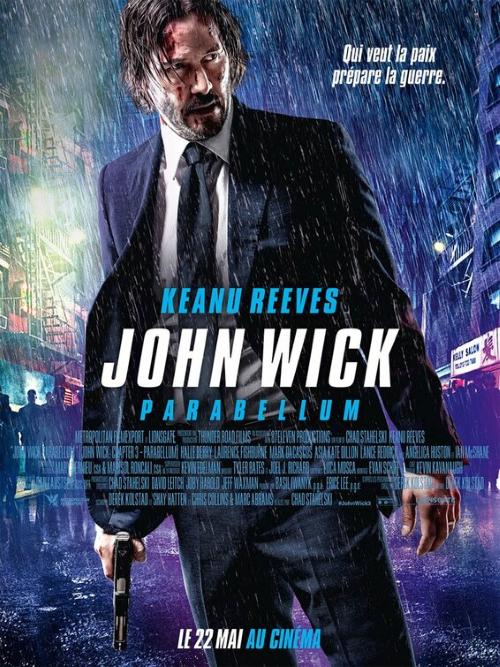
Here’s an overseas poster for John Wick 3: Parabellum. You can see a larger version at IMPAwards.
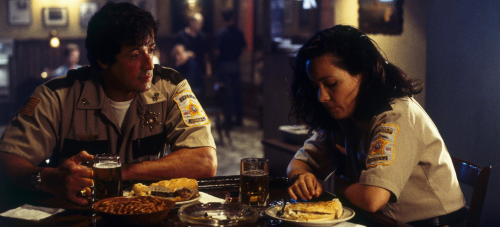
Cop Land features one of Sylvester Stallone’s finest performances. Written and directed by James Mangold, Cop Land is a modern day western and Mangold knew that it’s success hinged on the actor cast as Freddy Heflin.
Stallone wanted the role despite the fact that Mangold had zero interest in him. Mangold explained to Stallone all of the reasons he was wrong for the role. Stallone persisted and promised that none of Mangold’s concerns would become reality.
Stallone earned the role and Mangold got his Freddy Heflin. Cop Land surprised critics who’d forgotten or doubted Stallone’s acting chops.
You’re Gonna Be Redeemed: The Jersey Noir and Western Fable of James Mangold’s Cop Land by Travis Woods at Cinephilia and Beyond provides
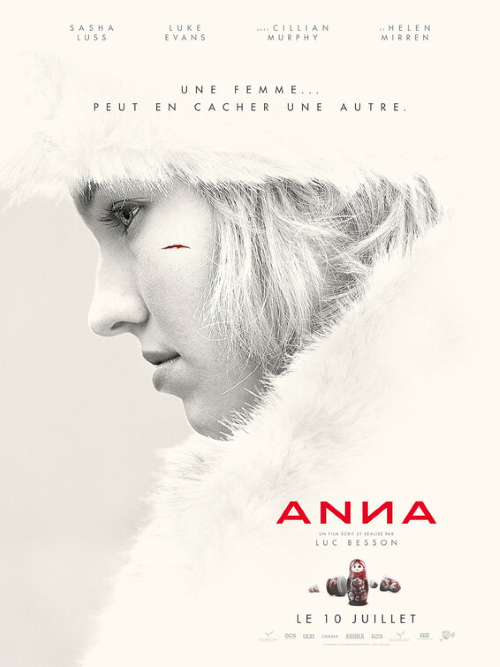
The Anna Poster and Trailer are Here! The poster is just ok but the trailer delivers.

The Silence (2019)
Director: John R. Leonetti
Screenplay: Carey Van Dyke & Shane Van Dyke based on the novel by Tim Lebbon.
Stars: Stanley Tucci, Kiernan Shipka, Miranda Otto, Kate Trotter, John Corbett, Kyle Breitkopf, Dempsey Bryk and Billy MacLellan.
The Pitch: “Let’s turn Tim Lebbon’s novel into a movie.”
Tagline: They’re listening.
The Overview:
The Silence can be summarized as Pitch Black meets A Quiet Place but unfortunately The Silence is not on the same level as either.
The creatures in The Silence are like smaller versions of those in Pitch Black. And like the monsters in Vin Diesel’s best movie, they are accidentally released from underground.
The similarities to A Quiet Place include: monsters that are blind and hunt by sound, a young girl who is deaf and a family struggling to survive. I’m sure many folks will think The Silence was made to cash in on the success of A Quiet Place but the truth is Tim Lebbon’s novel and filming on The Silence came first.
The Silence follows a family (father, mother, son, daughter and grandma) as they work to survive in a world where prehistoric flying creatures who hunt by sound are wiping out cities. In addition, sometimes the other people hoping to survive are as dangerous as the monsters.
The Silence works best when things are first starting to go sideways. What is happening? How do we survive? What is the best course of action? Things should be off and running but it’s more like off and walking.
I enjoyed The Silence but not to the degree I had hoped.
Rating:


Robert Sammelin really knocked it out of the park with his poster for Night of the Living Dead. You can see a larger version plus artwork that he created for the Night of the Living Dead Soundtrack LP at his site.
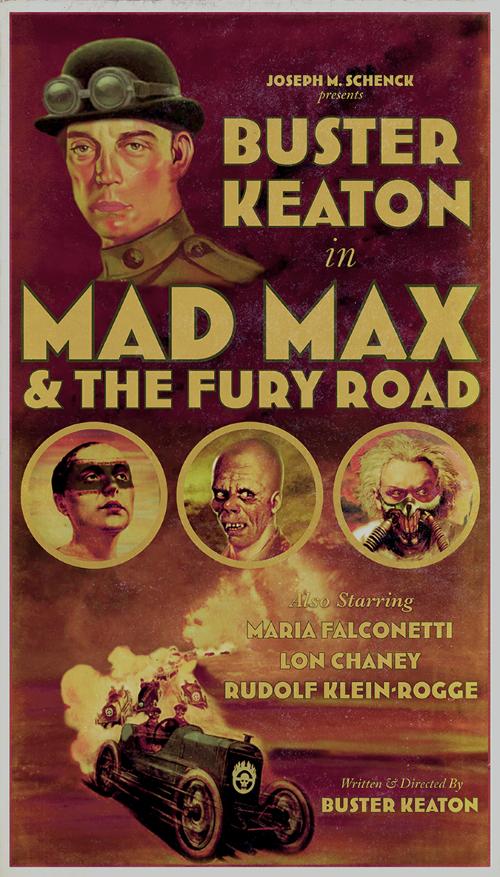
Peter Stults‘ Movies from an Alternate Universe – movie posters re-imagined how they would look and who would star in them had they been made in a different era.
Peter Stults has created eight volumes of re-imagined posters. Today, we have one from that eighth volume.
I say again, “Wouldn’t you love to see a book of Stults’ Movies from an Alternative Universe?” Kickstarter, Mr. Stults?
Although Mr. Stults didn’t ask, here are a few movie/star suggestions:

The Spy Behind Home Plate trailer is below and it presents an interesting story about a major league baseball player who was also a spy. If, like me, you want to know more then check out this site and watch out for the film!
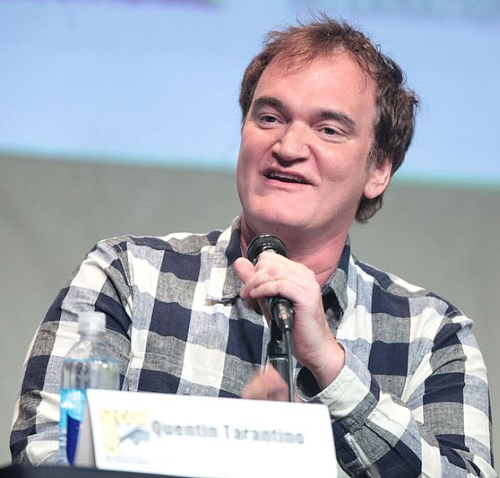
Riley Jones at Goliath has ranked Every Quentin Tarantino Movie, from Worst to Best.
Ok. I’ll play along.
For those interested, here’s my ranking of Every Quentin Tarantino Movie, from Worst to Best episodes…
09. Grindhouse: Death Proof (2007)
08. Inglourious Basterds (2009)
07. Kill Bill: Volume 1 (2003)
06. Django Unchained (2012)
05. The Hateful Eight (2015)
04. Kill Bill: Volume 2 (2004)
03. Jackie Brown (1997)
02. Pulp Fiction (1994)
01. Reservoir Dogs (1992)

The Dead Don’t Die Poster and Trailer are Here!
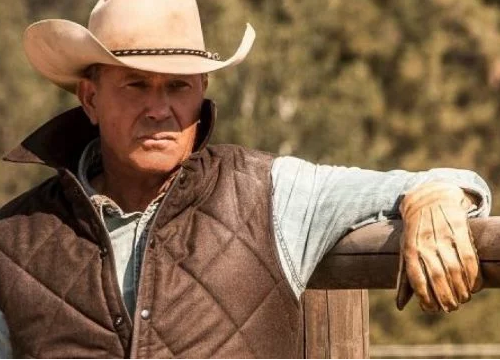
Nate Williams and ComingSoon present the 10 Best Kevin Costner Roles. In the spirit of full disclosure, I’ll admit to not having seen Hidden Figures, Molly’s Game, Field of Dreams or Bull Durham. With that said, my top ten best Kevin Costner roles (not movies) would be a lot different. Here’s mine…
10. The Bodyguard
09. Criminal
08. No Way Out
07. Waterworld
06. Dances with Wolves
05. Silverado
04. The Untouchables
03. JFK
02. Revenge
01. Open Range

The Dragged Across Concrete trailer below is the best one yet. Man, I am so looking forward to seeing the movie.
Dragged Across Concrete will be released on Blu-ray on April 30th. I’ve pre-ordered my copy. You should as well. ; )

Us (2019)
Director: Jordan Peele
Screenplay: Jordan Peele
Stars: Lupita Nyong’o, Winston Duke, Elisabeth Moss, Tim Heidecker, Shahadi Wright Joseph and Evan Alex.
The Pitch: “Jordan Peele is ready to do his next film. It’s about – ” “Do it!”
Tagline: From Jordan Peele, writer/director of ‘Get Out,’ comes a New Nightmare.
The Overview:
Us is a beautifully crafted movie that works on two levels:
1) It provides just under two hours of entertainment for those looking for a scary movie
2) It provides plenty of food for thought after the movie is over looking at the symbolism and depth of thought Peele put into creating a great horror film. In fact, I liked Us even better the more I thought about it.
Gabe Wilson has decided to surprise his wife (Adelaide) and two children (Zora and Jason) with a Santa Cruz beach vacation. Surprisingly, Adelaide is against the trip because of a frightening event that happened to her there when she was a child. Despite, her concerns, Adelaide relents and the family heads for the beach on a vacation that they may not survive.
There’s no denying that a major part of the appeal of Us is writer / director Jordan Peele. Peele knows how to create a suspenseful scene, uses just the right amount of humor, cranks up the tension and layers the story so there’s more than just what’s happening on the screen for those who take the time to look. Peele should also be credited for surrounding himself with an awesome cast. Lupita Nyong’o and Winston Duke are excellent actors and come across as just plain likeable (I hope that’s not just acting.) As do Shahadi Wright Joseph and Evan Alex who play the kids.
Us is one of those movies that will entertain and provide the audience plenty to talk about long after the film has ended. Because I like my reviews to be spoiler free, I’m not going to say more but I definitely recommend /Film’s ‘Us’ Movie Explained: Exploring the Biggest Questions and Craziest Twists in Jordan Peele’s Film. I’d be more than happy to discuss symbolism, plot twists, your opinions of Us and more in the comments section of this post — so if you venture there beware of spoilers.
Rating:

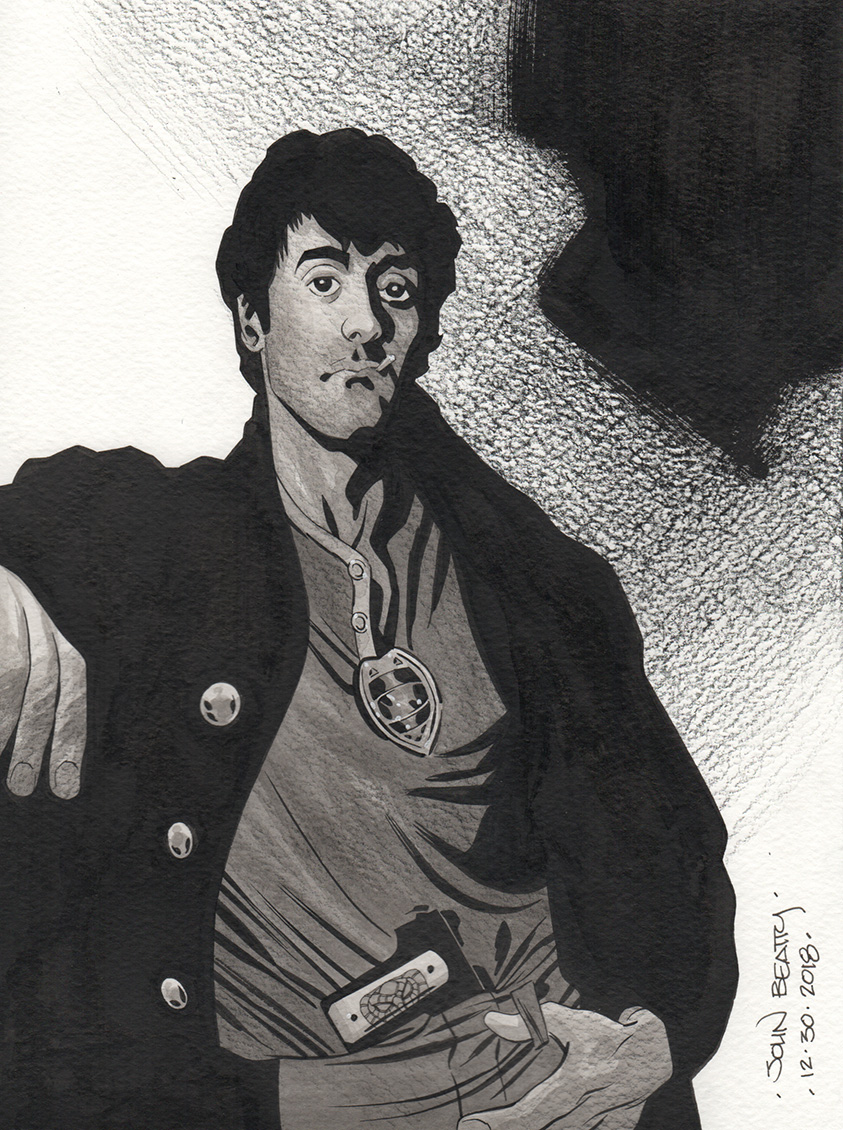
Here’s Sly as Marion Cobretti aka Cobra. This piece was created by the man, the myth, the legend, John Beatty. You can watch a video of John creating the piece below.
If you like what you see, check out more of John’s (almost) daily live drawing. John is also available for commissions!