Alex Toth Black Canary Splash

Here is an Alex Toth Black Canary splash that originally appeared in Adventure Comics #418.
Previews and Reviews that are Z's Views
Here is an Alex Toth Black Canary splash that originally appeared in Adventure Comics #418.
Merry Christmas!
Several years ago John Beatty and I teamed up to create “Yes, Timmy, There is a Santa Claus!” John pencilled, inked and colored what I wrote. The story was published in a charity Christmas comic by Tim Gordon.
What you see below is the result of our efforts. I hope that you enjoy them.


Matthew Woodson’s Daredevil print is just one of many available at Mondo Gallery’s A Celebration of Marvel Comics. /Film has a look at all of the prints!

Greg Rucka is the subject of an interview over at Comics Beat. Rucka updates us on Black Magick, Lazarus, Stumptown, Lady Sabre but sadly no mention of Atticus Kodiac.
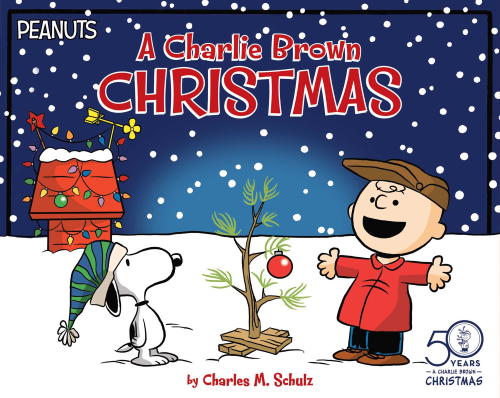
Jake Rosen and Mental_Floss present 14 Blockheaded Facts About A Charlie Brown Christmas. Here are three of my favorites…
5. SNOOPY’S VOICE IS JUST SPED-UP NONSENSE.
The early Peanuts specials made use of both untrained kids and professional actors: Peter Robbins (Charlie Brown) and Christopher Shea (Linus) were working child performers, while the rest of the cast consisted of “regular” kids coached by Melendez in the studio. When Schulz told Melendez that Snoopy couldn’t have any lines in the show—he’s a dog, and Schulz’s dogs didn’t talk—the animator decided to bark and chuff into a microphone himself, then speed up the recording to give it a more emotive quality.7. CHARLIE BROWN’S HEAD WAS A NIGHTMARE TO ANIMATE.
Because Melendez was unwilling to stray from Schulz’s distinctive character designs—which were never intended to be animated—he found himself in a contentious battle with Charlie Brown’s noggin. Its round shape made it difficult to depict Charlie turning around; as with most of the characters, his arms were too tiny to scratch his head. Snoopy, in contrast, was free of a ball-shaped cranium and became the show’s easiest figure to animate.10. CBS HATED IT, TOO.
After toiling on the special for six months, Melendez and Mendelson screened it for CBS executives just three weeks before it was set to air. The mood in the room was less than enthusiastic: the network found it slow and lacking in energy, telling Melendez they weren’t interested in any more specials. To add insult, someone had misspelled Schulz in the credits, adding a “T” to his last name. (Schulz himself thought the whole project was a “disaster” due to the crude animation.)

My best bud and artist extraordinaire, John Beatty sat down for a podcast interview for the Riley and Kimmy Show and you can listen to it here.
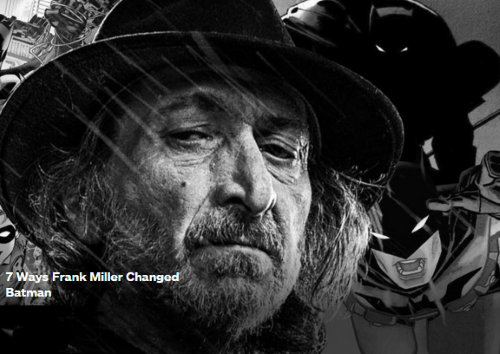
Jesse Schedeen and IGN.com present 7 Ways Frank Miller Changed Batman. Here are three of my favorites [Alert — some profanity]…
2. He Grounded the DCU in Reality.
With aliens, giant robots, talking animals and people who can fly, the DC Universe is a pretty strange and wonderful place. But before The Dark Knight Returns, it was a place several steps removed from the real world.. Miller grounded his alternate DCU in reality. His dilapidated Gotham City was much more like the New York City of the time – dirty, crime-ridden and harsh. Miller also drew heavily on the politics of the time. The Dark Knight Returns presented a world where Ronald Reagan was US President and Superman was the country’s first line of defense in their ongoing conflict with the Soviet Union. Not every Batman story since has taken the same approach, but DKR renewed the emphasis on Gotham being as much a character as the people who inhabit her streets.4. He Made Commissioner Gordon Important.
Miller followed up The Dark Knight Returns with Batman: Year One, a story that offered a more grounded and realistic look at Batman’s first year on the job. However, the most revolutionary element of this story didn’t involve Batman at all, but rather Jim Gordon. Year One focused as much attention on Gordon’s troubled first year in Gotham City. It portrayed him as a character with the same burning desire to save his city as Batman, and it made him a more integral player in Batman’s world than ever before. In DC’s current comics, Gordon himself has taken up the mantle of Batman. Would that have been possible without the influence of Year One?5. He Made Batman and Superman Frenemies.
Before Frank Miller, Batman and Superman were always the best of friends. The comic series World’s Finest chronicled their many team-up adventures, which always seemed to culminate with the two heroes smiling and shaking hands after a job well done. Miller offered a very different view of their relationship in The Dark Knight Returns. In that comic, the two heroes were less friends than former allies turned bitter enemies. The climax of the series featured an armored Batman fighting a bloody battle against the Man of Steel in the streets of Gotham. That rivalry only grew more heated in Miller’s later work like The Dark Knight Strikes Again and All-Star Batman & Robin. Not only has Miller’s depiction of the Batman/Superman relationship influenced countless other comics, it’s pretty much the basis of next year’s Batman v Superman: Dawn of Justice.

Diversions of the Groovy Kind is a regular stop on my daily website visits. You’ll always find something cool like this post of Marvel Premiere #34 which featured Roy Thomas and Howard Chaykin’s adaptation of Robert E. Howard’s Solomon Kane story Red Shadows.

Did you know that AMC’s Into the Badlands [which is one of my favorite shows now] has a free on-line comic that provides background stories on the Into the Badlands characters and universe?
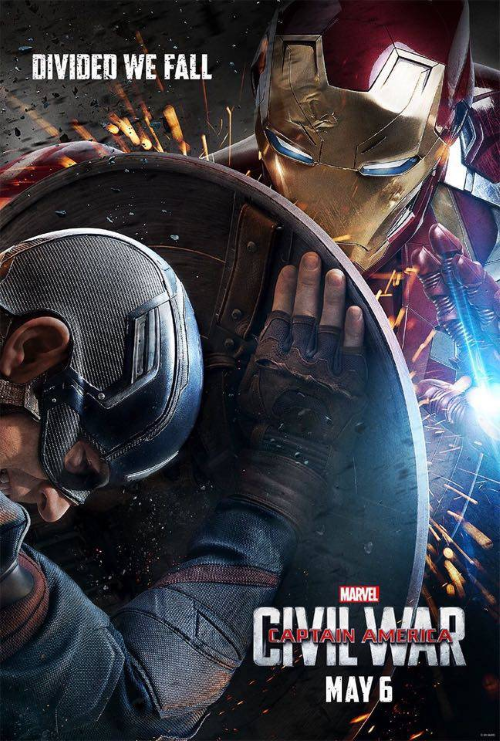
The Captain America: Civil War Poster and Trailer are Here!
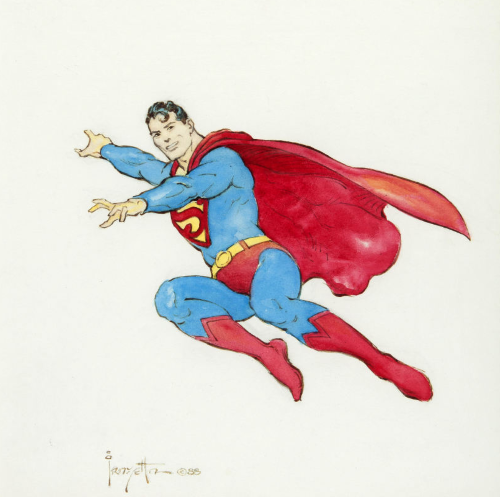
Frank Frazetta art is rare. Frank Frazetta art is expensive.
Can you imagine how expensive a Frank Frazetta watercolor of Superman would be?
Okay, factor in that this is the only known drawing of Superman by Frazetta and move that price tag up a bit to $35,420.00.
Source: Hawkes.
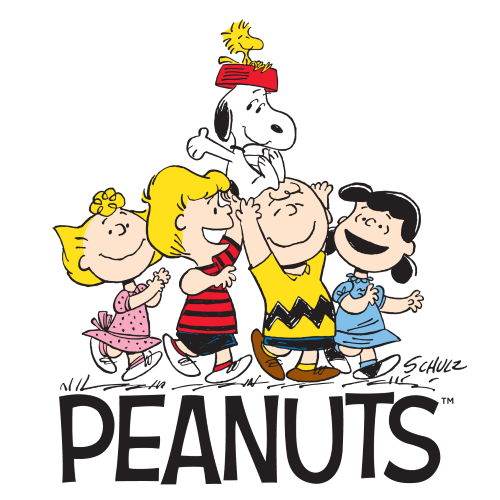
Shaunacy Ferro and Mental_Floss present Good Grief! 18 Beloved Facts About Peanuts. Here are three of my favorites…
2. THERE ARE 17,897 STRIPS.
They ran between 1950 and 2000, each one drawn by Schulz. Schulz died from colon cancer at age 77, the day before the last original strip ran.3. SCHULZ DIDN’T CHOOSE THE NAME.
Charlie Brown first appeared as a character in a comic strip called Li’l Folks, but when Schulz approached the United Feature Syndicate about a publishing deal in 1950, the syndication service thought the name was too close to two other comics it ran at the time, and changed itto Peanuts. Schulz never liked the new moniker; he thought it “made it sound too insignificant.”14. CHARLIE BROWN’S HEAD IS REALLY HARD TO DRAW.
When asked about the hardest character trait to ink, Paige Braddock, the creative director of Charles M. Schulz Creative Associates, admitted that Charlie Brown’s noggin is the most complicated piece to pull off. “It is nearly impossible to get right when you first start working with the characters, and if it is off in the least, it really stands out,” she says in The Art and Making of the Peanuts Movie. Braddock is currently responsible for the look of all Peanuts-related products.
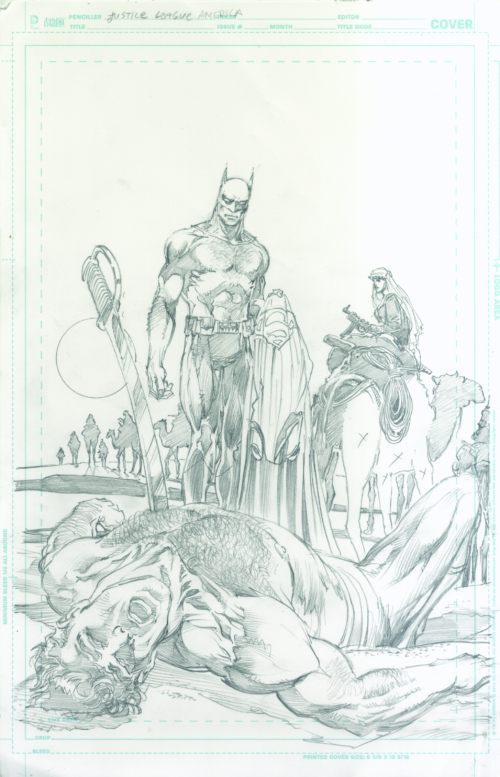
DC Comics approached legendary artist Neal Adams about recreating 25 of his most iconic covers with different characters. As you can see from the cover above, Neal agreed!
You can see the other 24 covers over at IGN.com.

Criminal Activities looks like it could be fun…
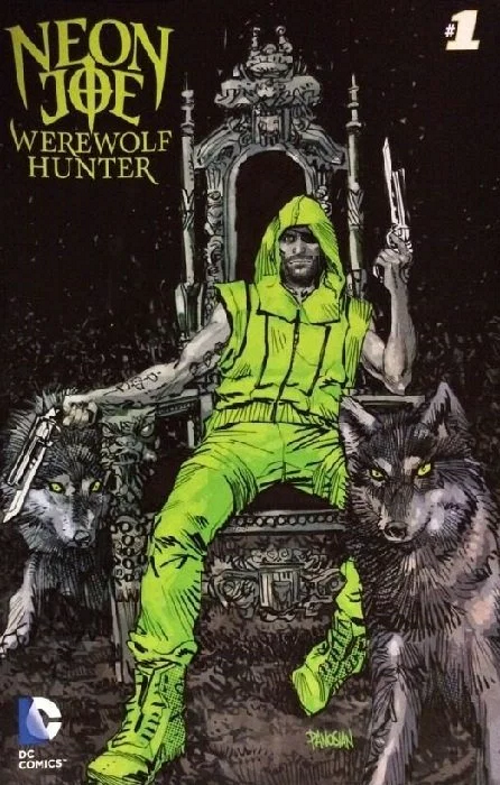
“Y’all know me. Bet you know how I earn a livin’.”
“No, we don’t.”
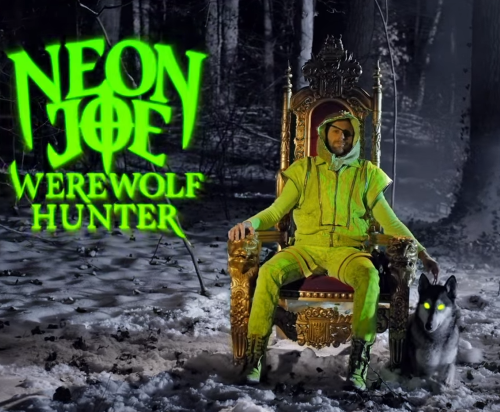
“I was under the assumption you’d been briefed about who I am. My name n’ Neon Joe – Werewolf Hunter.”
The Dan Panosian cover caused me to click over. The trailer piqued my interest so I thought I’d share it with you.