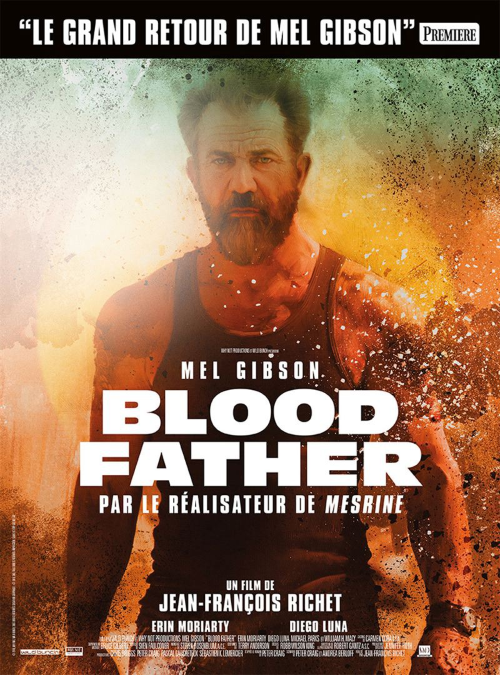
The New “Blood Father” Trailer & Posters Starring Mel Gibson Are Here!
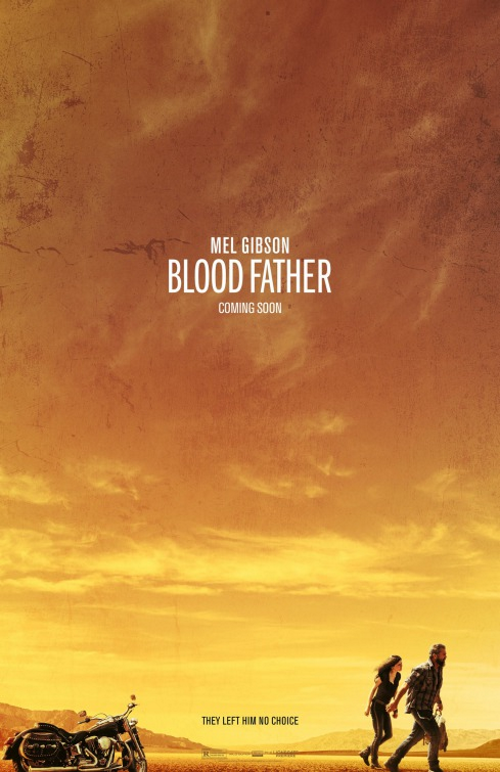 How about the new Blood Father posters and trailers?
 American Heist (2014)
Previews and Reviews that are Z's Views
How about the new Blood Father posters and trailers?
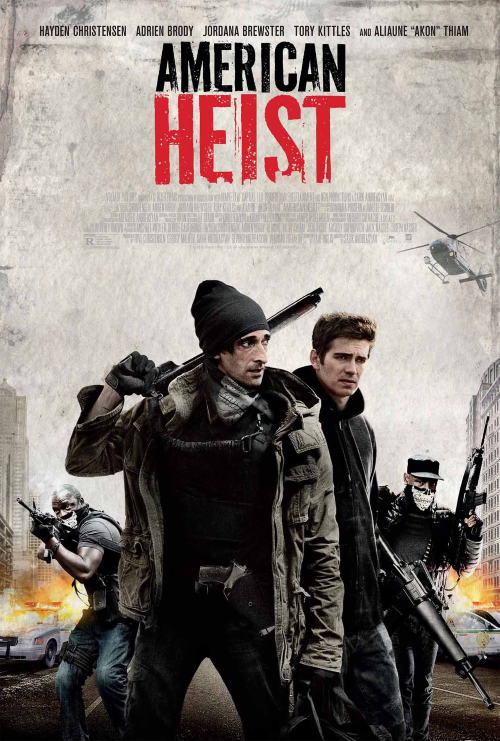
American Heist (2014)
 American Heist (2014)
Director: Sarik Andreasyan
Screenplay: Raul Inglis
Stars: Hayden Christensen, Adrien Brody, Jordana Brewster and Akon.
The Pitch: “Let’s make a crime movie!”
No Tagline
The Overview: Beware of Spoilers…
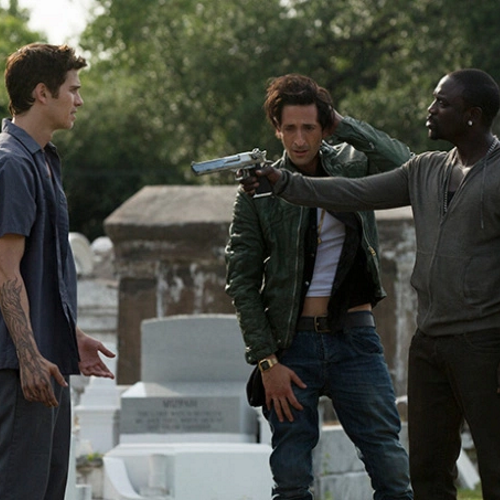
James Kelly [Christensen]’s older brother, Frankie [Brody], just got out of prison for a crime they did together. Now Frankie’s back in town just at the time James was making a real go of things with his business and girlfriend.
Despite his best efforts, James gets pulled into a bank heist that could cost him everything.
Rating:

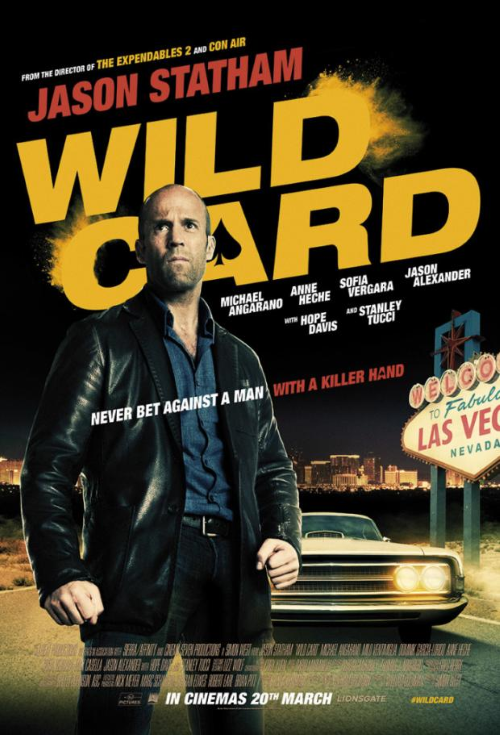 Wild Card (2015)
Director: Simon West
Screenplay: William Goldman
Stars: Jason Statham, Milo Ventimiglia, Stanley Tucci, Sofía Vergara, Jason Alexander and Anne Heche.
The Pitch: “Jason Statham and a bunch of star cameos in a William Goldman script about a Vegas bodyguard.”
Tagline: “Never bet against a man with a killer hand.”
The Overview: Beware of Spoilers…
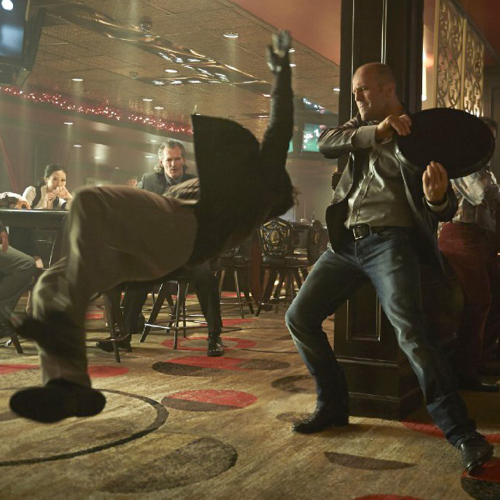
Nick Wild [Statham] is a Vegas bodyguard who helps a female friend out of a tough situation only to learn that he was messing with the son of a powerful mobster. What’s a bodyguard to do but play the hand he was dealt.
I’m a Jason Statham fan, but Wild Card was a letdown. I was disappointed that most of the all-star cast show for a scene or two and then are never to be seen again. It also didn’t help that Wild is a gambler who does something very stupid towards the end of the movie. Stanley Tucci is great in his limited screen time.
Rating: 2 of 5 stars.
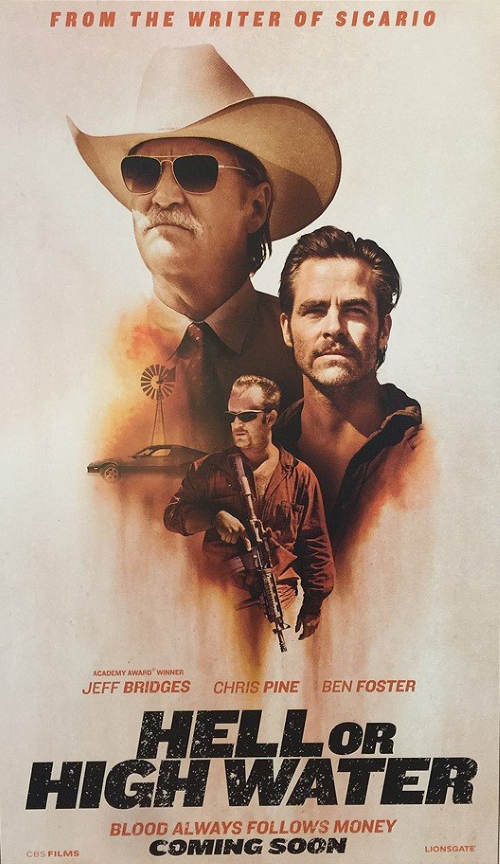
Today we have a new poster and the second official trailer for Hell or High Water.
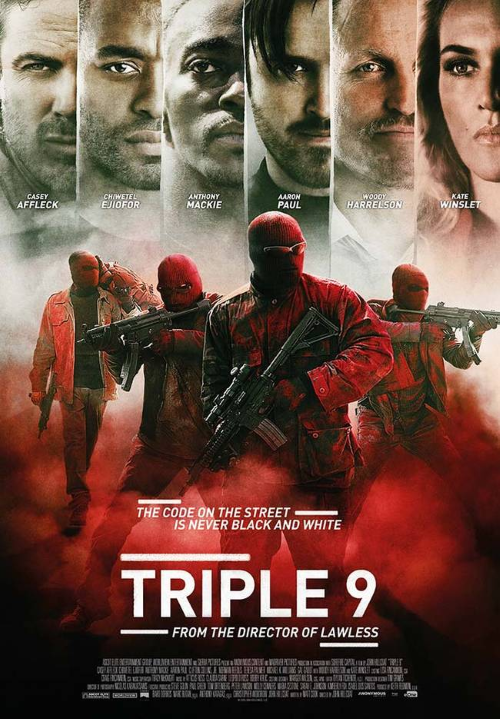 Triple 9 (2016)
Director: John Hillcoat
Screenplay: Matt Cook
Stars: Casey Affleck, Chiwetel Ejiofor, Anthony Mackie, Woody Harrelson, Aaron Paul, Kate Winslet, Gal Godot and Norman Reedus.
The Pitch: “Let’s make a gritty crime movie — look at the cast we have lined up!”
The Tagline: “A deadly heist needs a killer distraction”
The Overview: Beware of Spoilers…
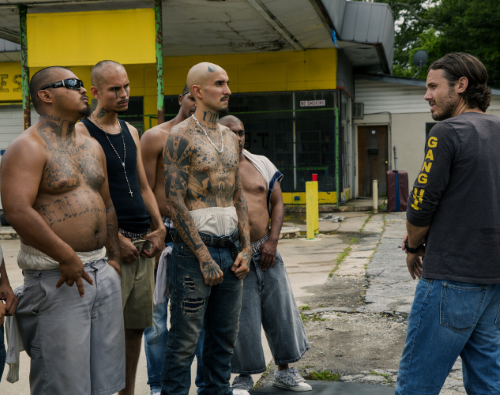
A crew of dirty cops are being blackmailed. In order to get out from under, the cops plan a huge heist during a Triple 9 (that they will manufacture). A triple 9 is code for “cop down” and the cop going down is the rookie not in their crew.
I was hoping for more [look at that cast!], but I did like Triple 9.
Rating:
>
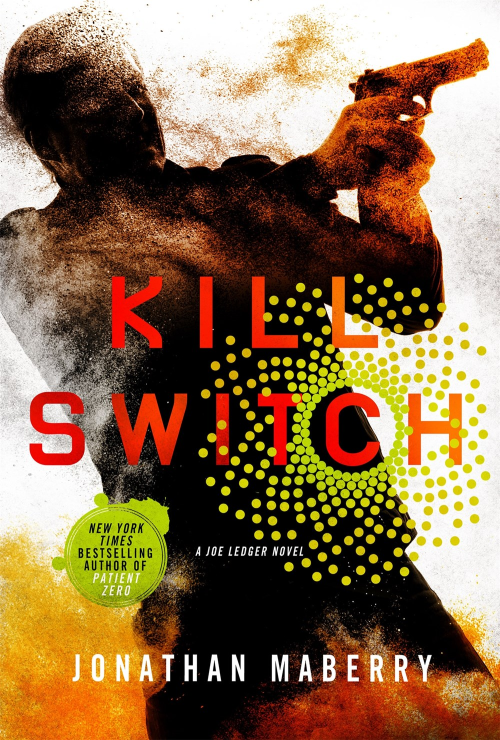
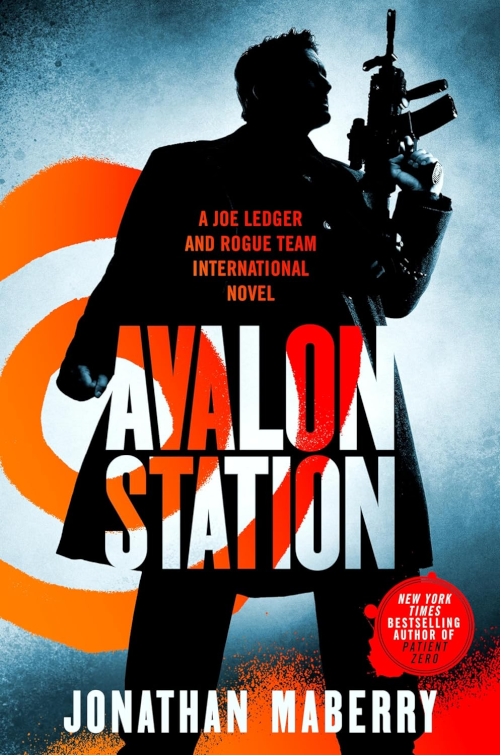
Kill Switch by Jonathan Maberry
What do you do when the power goes off?
- Terrorists have acquired a terrible new weapon that can crash the power grid and plunge America into a new dark age. A coordinated attack is planned to shut out all lights and emergency services to ten major cities. Planes will fall, hospitals will go dark, no help will come.
- And in that terrible darkness, a dreadful plague will be released. If the lights go off, nothing can stop the bioweapon from killing millions.
- At the same time, the intelligence services are being torn apart from within by a plague of betrayal, murder, and suicide. Even the Department of Military Sciences is stumbling in its response to the growing threat.
- Time is running out, and Joe is being hunted by a terrifying new kind of assassin. A team of remote viewers have the ability to take over any person and turn ordinary citizens into killers. Where can you turn when there’s nobody left to trust?
- Joe Ledger faces his deadliest challenge as friends and allies become enemies and all of the lights begin to go out…
Maberry puts the DMS in the worst place yet against perhaps their toughest adversaries. The clock is ticking down to an bio-weapon attack on ten cities. The terrorists have the ability to take over the minds of anyone to do their bidding and the DMS has been ordered to stand down by the President.
You know that’s not going to happen. Sadly people we have grown to know and care for are going to die trying to save our country. Maberry creates characters that feel real so when we lose them (and we do throughout the course of the series) it hurts.
Kill Switch mixes just the right amount of actions (tons), suspense (much), and humor (as needed) to propel you to the bloody climax. I can’t wait for Ledger’s next mission!
Rating:

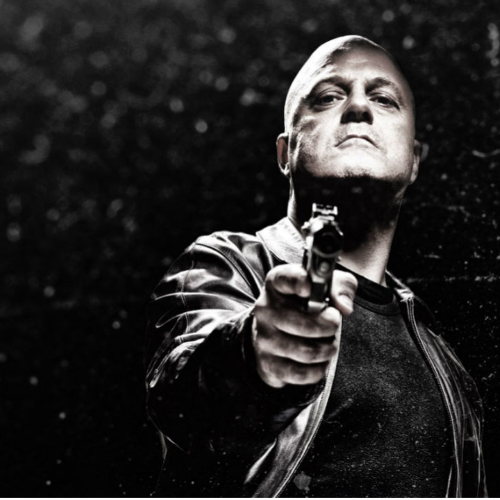
“I have some ideas where Vic Mackey is, but I don’t know where Vic Mackey is until someone puts me in a writers’ room with a group of these people and some people who aren’t here and give us a week to sort it out,” Shield creator, Shawn Ryan said, pointing to the rest of The Shield writers on stage, including Kurt Sutter, Glen Mazzara, Scott Rosenbaum and Chic Eglee.
Shawn Ryan said this to an audience at the ATX TV Festival last Saturday. I sure hope someone at FX was listening. Who wouldn’t love to see a Shield mini (or even on-going) series? It worked with 24. FOX is doing it with Prison Break. C’mon FX, let’s do this!
Source: Deadline.com.

Sly Stallone is set to star in a film currently titled Godforsaken (although the name will change) as an…
…aging ex-con with more regrets than memories. Upon hearing about his son’s death his solitude is quickly broken as he must now protect the only family he has left and avenge a son he hardly knew.
Jim [Cold in July] Mickle is on board to direct for STX Entertainment.
Source: Deadline.

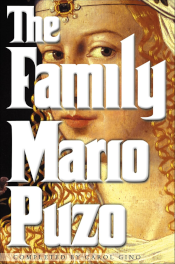
I can’t imagine a book that movie fans will want more than Francis Ford Coppola’s The Godfather Notebook.
When Coppola realized that he would direct The Godfather, he re-read Mario Puzo’s novel and made important notations right on the book’s pages. Check out the example below or better yet, click here, to see a full-size version.

The notations would be Coppola’s road map to make The Godfather and he considered them as important as the screenplay. Coppola explains his process and importance of making his Godfather Notebook in the video below.
The Godfather Notebook will reprint Francis Ford Coppola’s notes and annotations on The Godfather novel by Mario Puzo. I can’t wait to get my mits on a copy. “Leave the gun, and take the cannoli… and The Godfather Notebook.”

Ridley Scott is set to direct an adaptation of S. Craig Zahler’s novel Wraiths of the Broken Land. Drew Goddard will take the screenwriting reins.
This is an all-star team:
As for Wraiths of the Broken Land, here’s how Amazon describes it…
A brutal and unflinching tale that takes many of its cues from both cinema and pulp horror, Wraiths of the Broken Land is like no Western you’ve ever seen or read. Desperate to reclaim two kidnapped sisters who were forced into prostitution, the Plugfords storm across the badlands and blast their way through Hell. This gritty, character-driven piece will have you by the throat from the very first page and drag you across sharp rocks for its unrelenting duration. Prepare yourself for a savage Western experience that combines elements of Horror, Noir and Asian ultra-violence. You’ve been warned.
Source: ComingSoon.
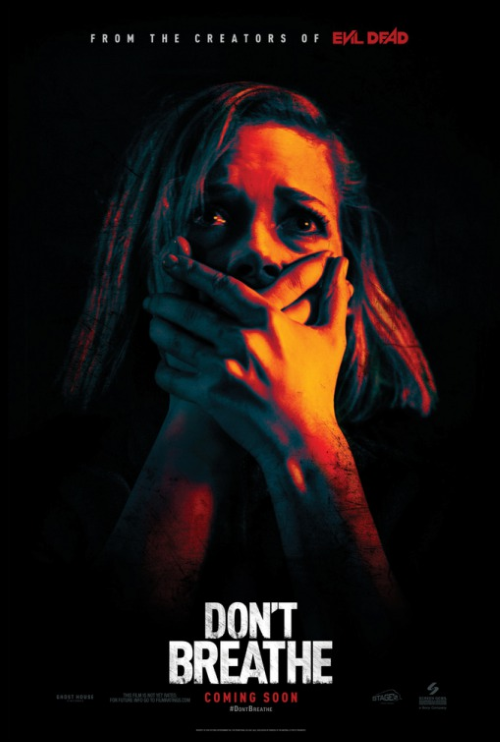
Three days in a row with a poster and trailer for an up-coming movie that has me wanting to buy a ticket now!
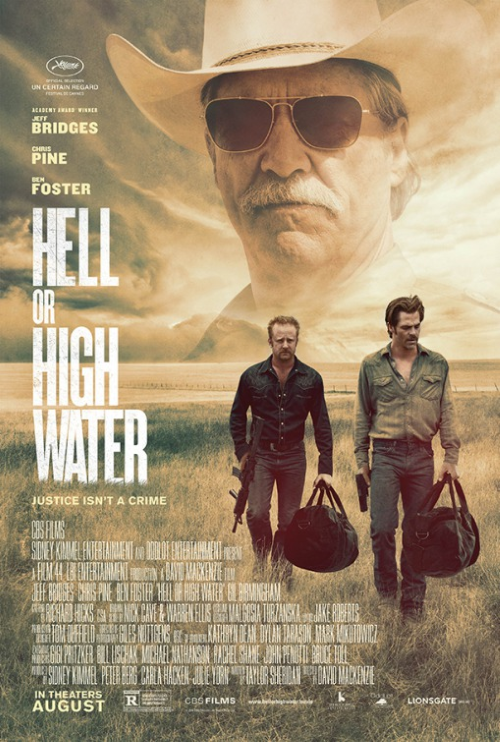
Today we have the poster and trailer for Hell or High Water and are we on a roll or what? Another great cast and another great looking trailer!
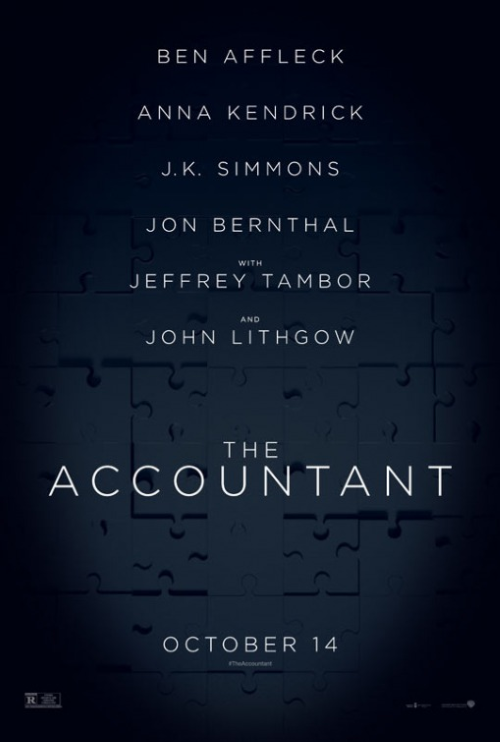
The poster for The Accountant lists a great cast and the trailer does what a trailer should do; it makes me want to see the movie.
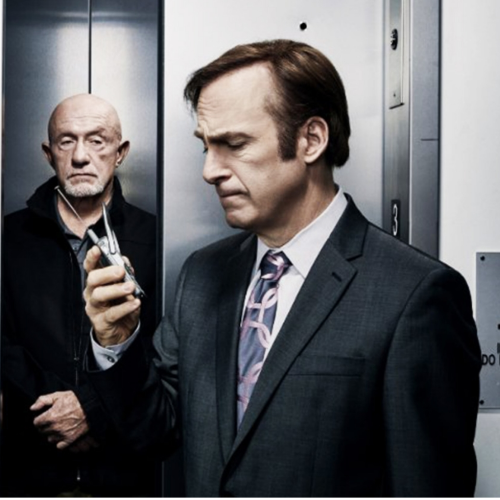
Fans of Better Call Saul will love 15 Brilliant “Breaking Bad” References From “Better Call Saul” Season 2 by Robin Edds at Buzzfeed.