21 Darn Tootin’ Facts About “Fargo”
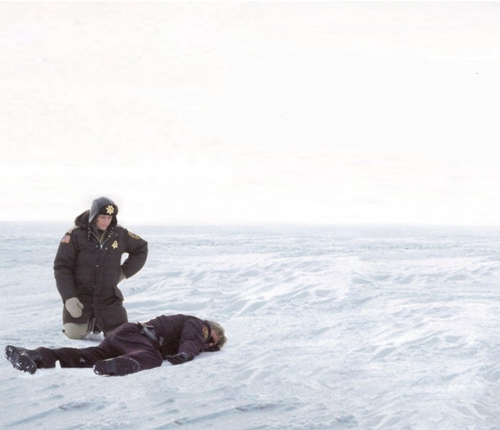
Adam D’Arpino and Mental_Floss present 21 Darn Tootin’ Facts About Fargo. Here are three of my favorites…
1. Fargo was almost a TV show back in 1997.
FX’s original series Fargo, which debuted last year to critical praise and enthusiastic viewership, has breathed new life into the funny-accents-meet-brutal-violence formula. However, FX’s take on the Coen Brothers classic actually marks the second major attempt to adapt Fargo for the small screen. In 1997, a pilot directed by Kathy Bates (yes, that Kathy Bates) and starring a pre-Sopranos Edie Falco as Marge Gunderson was passed on by the major networks. Although it never had a full run on television, this first made-for-TV version of Fargo wasn’t lost forever: it aired on the short-lived cable network Trio in 2003, as part of its Brilliant But Cancelled programming series.17. The film’s editor, Roderick Jaynes, is actually Joel and Ethan Coen.
Because the Coens found having their names appear on screen as directors, writers, producers, and editors a bit tacky, they credit their editing work to the fictional “Roderick Jaynes,” who’s listed on all of their films outside of Raising Arizona and Miller’s Crossing. When the fictional Jaynes was for nominated for his first Oscar on Fargo, the Coens wanted to have actor Albert Finney accept the award in character, but because the Academy doesn’t allow for surrogates to accept awards (presumably due to a 1973 incident involving Marlon Brando and a Native American named Sacheen Littlefeather) they had to scratch the plan. Jaynes ended losing to Walter Murch for his work on The English Patient, and would lose again in 2008 (with The Bourne Ultimatum‘s Christopher Rouse beating out the Coens and No Country for Old Men).11. An inside joke led to rumors that Prince had a cameo in the film.
The Coens provided anyone willing to stick around for the extended credits to a bit of a Minnesota insider joke. The role of “Victim in the Field” is credited to a scribble resembling Prince’s “Love Symbol,” which he went by between 1993 and 2000. This spurred rumors that Prince had a hidden cameo in the film. Anyone paying attention, however, would have noticed that the role was clearly played by a much huskier fellow, who also happened to be the film’s storyboard artist (and a longtime Coen collaborator) J. Todd Anderson.