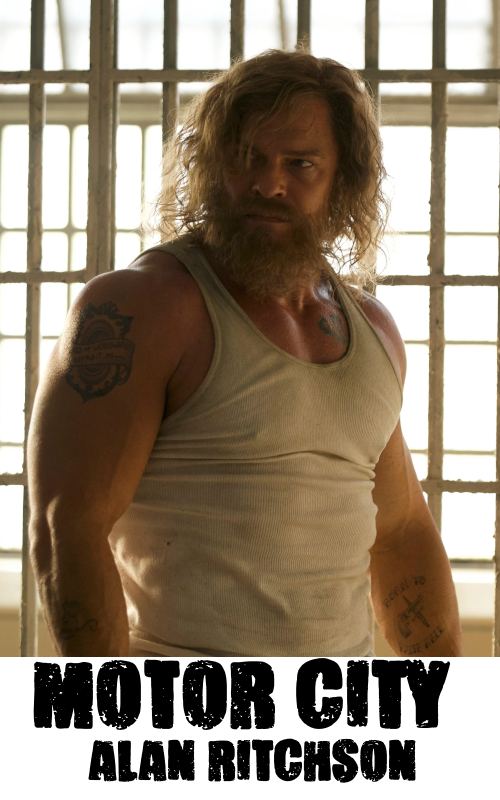
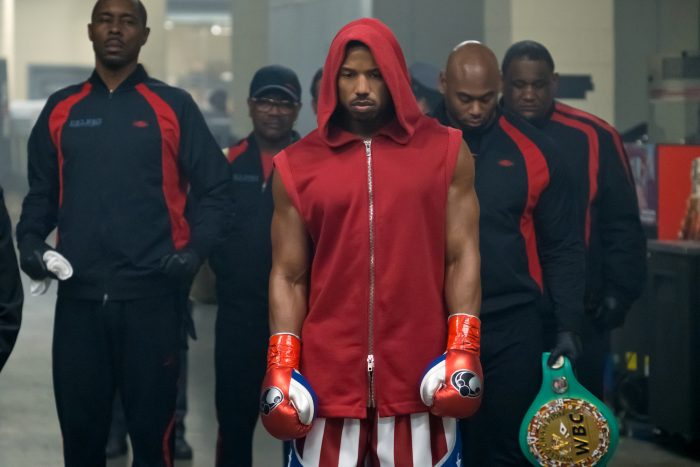
“Creed 2” First Official Photos Are Here!
The first two official images from Creed 2 are here! You can see slightly bigger versions by clicking on the photos.
Previews and Reviews that are Z's Views
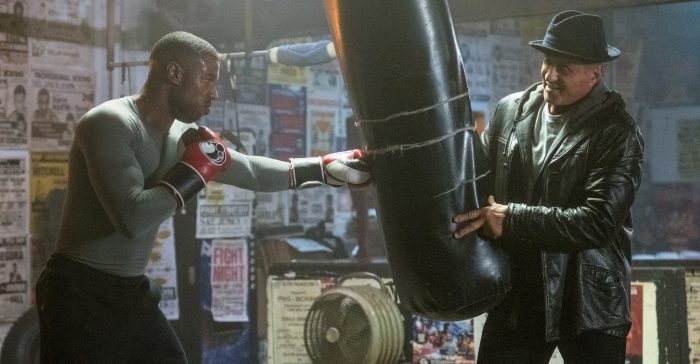
The first two official images from Creed 2 are here! You can see slightly bigger versions by clicking on the photos.
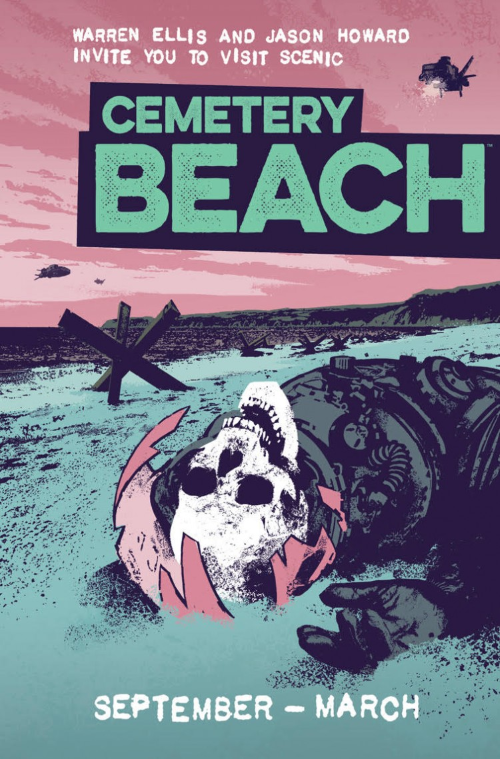
Tim Midura had a chance to interview artist Jason Howard about his new project with Warren Ellis. Here’s a tidbit…
Tim: Warren Ellis described Cemetery Beach as a relentless action book..
Jason: It starts with the idea of what this world is. In the story of Cemetery Beach, kind of the setup is that back in the 1920s/1930s, scientists found this exoplanet they thought could support life. So they built a rocketship with 1920s-era tech, sextants and all this stuff. They sent a group to colonize this planet. The plans and everything were lost to history. Everyone ended up dead or whatever. 100 years later we uncover this warehouse full of all the plans and we realize we sent that ship and nobody knows what happened. So they send a recon guy to look into it and see if they survived and report back. That’s kind of where the story starts. This guy ends up on the planet and the colony has survived but things are a little insane. It’s been 100 years.
If this sounds like something you’d enjoy, check out Talking a Long Walk on Cemetery Beach: A SDCC Interview with Jason Howard.
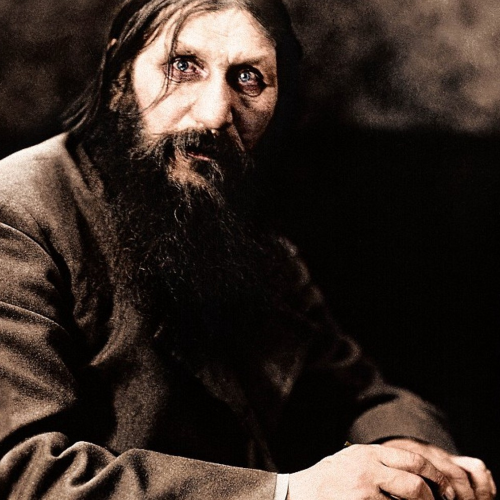
After over 100 years most folks still know the story of the murder of Rasputin, the Mad Monk! That he was fed enough poison to kill an elephant and showed no signs of sickness. That he was shot through the heart and still struggled with his assassins. That he was shot several more times, tied up and tossed in a river… and when his body was found his hands were free!
History books tell us that Prince Felix Yusupov and four co-conspirators planned and executed Rasputin. Yisupov took credit from the start…
… But Yusupov’s confession didn’t fit a single one of the facts. Every single detail in his story contradicted the autopsy and the evidence…
Mark Oliver and Listverse present 10 Strange Facts About The Mysterious Death Of Rasputin. Here are three of my favorites…
7. The Autopsy That Contradicts Everything Yusupov Said
Yusupov’s story certainly is exciting—but it doesn’t fit the facts. The autopsy report on Rasputin’s body, conducted by Professor Dmitry Kosorotov, contradicts every single word.In his memoirs, Yusupov claims that he shot Rasputin in the heart and even says that he had Dr. Lazovert check the body and confirm that was where the bullet had hit its mark. Kosorotov’s autopsy, though, found only three bullet wounds, and not a single one had even come close to the heart. Instead, the bullets went through his stomach, liver, kidney, and skull, with wounds that no physician could possibly mistake for a gunshot to the heart.[4]Likewise, Yusupov claimed that Rasputin was taken down by a long-range shot from Purishkevich that took him in the back of the head. The bullet in Rasputin’s skull, however, had entered from the front at point-blank range, while Rasputin was lying on the ground.It’s hard to reconcile Yusupov’s story with the facts. Some have suggested that he blew the murder up to make Rasputin more of a threat—but his account is nowhere near the truth. It’s almost as though Yusupov had no idea how Rasputin died.
3. The British Spy Who Might Have Killed Him
Every bullet in Rasputin’s body, according to the autopsy, came out of a different caliber gun. At least three people—or at least three guns—had to have been involved in his death.The bullet holes in his stomach and kidney could have been made by Yusupov and Purishkevich’s guns, but the one in his skull didn’t fit. It was made with a revolver, specifically, according to the most popular theory, a .455 Webley—a gun none of the conspirators carried.A British friend of Yusupov’s named Oswald Rayner, though, carried a .455 Webley on him at almost all times. And though Yusupov denies that he was ever there, a lot of people think that Rayner fired the shot that finished Rasputin off, all under the orders of British Intelligence.The British had a vested interest in seeing Rasputin dead. He was trying to broker peace between Russia and Germany, and his treaty would have turned the tide of World War I against the Allies. In Rasputin hadn’t died, it’s possible that the Germans would have won the war. And there’s a letter that seems to completely give it away. A man named Stephen Alley, stationed in Petrograd, sent a missive to England on January 7, 1917, that read: Our objective has clearly been achieved. Reaction to the demise of ‘Dark Forces’ has been well received by all, although a few awkward questions have already been asked about wider involvement. Rayner is attending to loose ends and will no doubt brief you on your return.
1. The Burning Body That Sat Up
The most popular explanation for Yusupov’s outrageous story is that he was trying to erase a guilty conscience. He’d killed a defenseless man in cold blood, but he still wanted the people to believe that he was a hero. And so he changed the truth, making himself look better by selling Rasputin as a demonic monster who couldn’t be killed.But one strange moment in March 1917 almost makes it tempting to believe that Yusupov was telling the truth: that Rasputin really a supernatural being.A group of soldiers exhumed Rasputin’s body, threw it onto a pile of logs, doused it in gasoline, and set it on fire. They destroyed his body, afraid his tomb would become a monument to the Tsarist regime.A whole crowd of villagers came out to watch Rasputin’s body burn—and almost every one of them insists that they saw his decomposing corpse rise up in the fire.[10]There are scientific explanations, of course. It’s been speculated that Rasputin’s tendons shrank in the fire, causing his body to bend at the waist. Or else the whole thing has been written off as a great mass delusion.But Rasputin, they say, predicted every bit of it. In a letter that Rasputin (supposedly) wrote to Tsarina Alexandra shortly before his death, he said: “I feel that I shall leave life before January 1. ”Even dead, the sorcerer predicted, he would not be left in peace. His body would be burned, his ashes scattered into the winds.
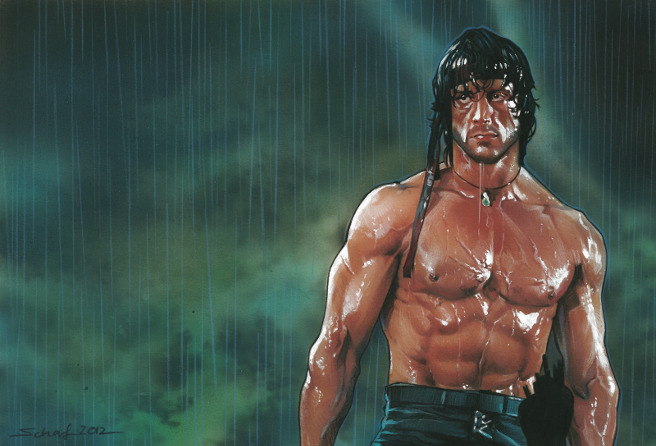
Once a week Joblo.com posts Awesome Art We’ve Found Around the Net. As you can imagine, they post awesome art that they, well, you get the idea.
I always enjoy seeing what JoBlo has found because with each post they list the artist’s name and a link to more of his/her art. If you check it out you’ll discover amazing artists like Jonas Scharf who did the Rambo piece above. Click on the photo and you can see a slightly bigger version.

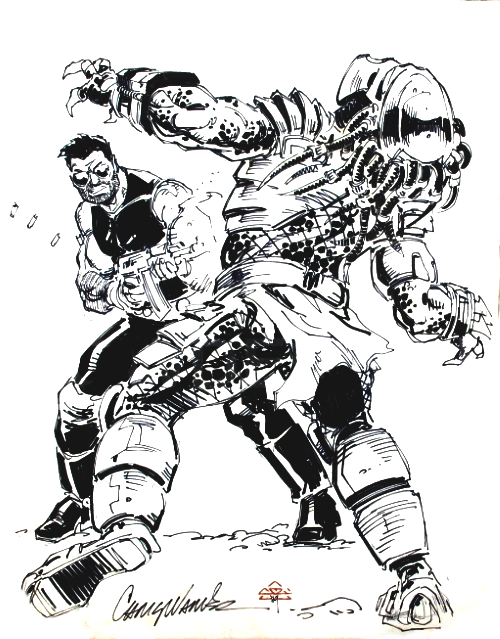
How about that “Predator” drawing by Chris Warner?
And while we’re talking about Chris Warner, it is time for me to once again say Dark Horse Comics should issue a compilation of Chris Warner’s Black Cross stories in a nice hardback or trade paperback!
The final season for The Last Ship premieres on September 9th. Below you can see the trailer, if you’re so inclined. I’m going to miss that show.

Jesse Munoz decided to have a contest for his Twitter followers and the three winners would get sketches of their choice. As you can see from above, I was a winner! In addition to being a great artist, Jesse is a super nice guy. You can see more of his art at…
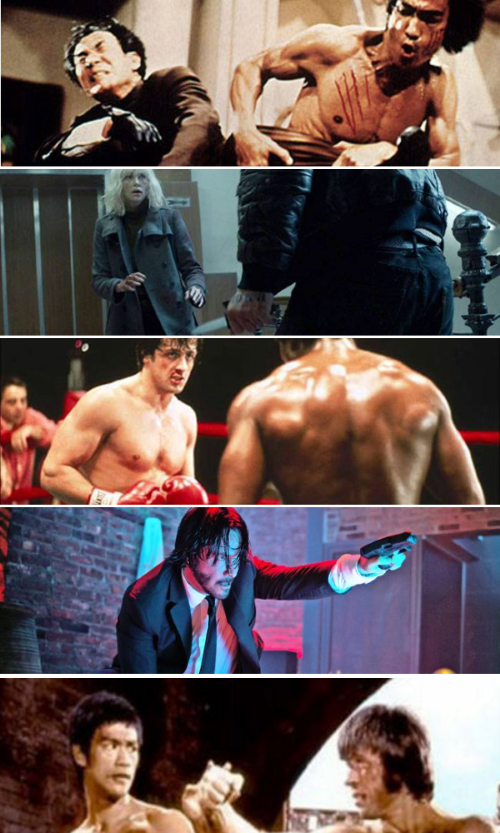
GamesRadar posted The 50 Best Movie Fights You’ll Want to Watch Again and Again. There are a lot of great choices in this list. Using just their picks here are five of my favorites…
41. Enter the Dragon (1973)
The fight: Bruce Lee faces his last great opponent, Han, in a showdown finale featuring trick mirrors and deadly traps. Because, when Bruce was at the top of his game, the best way his opponent could hope to defeat him was through cunning.Killer move: After much skulking around mirrored corridors, Lee finally catches Han out and delivers a final blow, high kicking him into his own spear.
40. Atomic Blonde (2017)
The fight: Charlize Theron’s spy has already been through a lot when she’s faced down by two attackers in a stairwell in Berlin during the Cold War, but that doesn’t stop her from kicking ass. This fight scene is so impressive due mainly to the fact that it goes on for a long time (the baddies seem to fight through many a mortal wound before finally going down) and the realistic brutality of the moves.Killer move: Towards the end of the fight, one of the men pulls his own dagger out of his chest only for Theron to slammed it back into his throat multiple times and throw him down the stairs.
34. Rocky (1976)
The fight: THE sporting underdog story: the little-known Italian Stallion’s climactic bout with arrogant heavyweight champion Apollo Creed.Killer move: Rocky’s sheer stamina. Having already taken a severe beating, Creed knocks him to the floor and throws his hands up in celebration. But his incredulous look is priceless as Rocky struggles back up to his feet…
16. John Wick (2014)
The fight: After declaring war on the Russian mob (who are indirectly responsible for killing his dog), Wick seeks out Alfie Allen’s Iosef Tarasov in the fancy sauna room of a nightclub. He cuts through Tarasov’s security with ease, practically punching them with bullets from his gun.Killer move: This actually happens at the start of the scene, when Wick finds and kills Tarasov’s buddy, Victor in the changing room of the club.
10. Way of the Dragon (1972)
The fight: Bruce Lee and Chuck Norris put each other through their paces in this legendary battle from Way of the Dragon. Watch out for Chucks shoulder hair its worryingly prominent.Killer move: The series of kicks that puts Norris on his backside. For a minute there, he almost looks worried.
And here are three that didn’t make the list that should have…
Others?
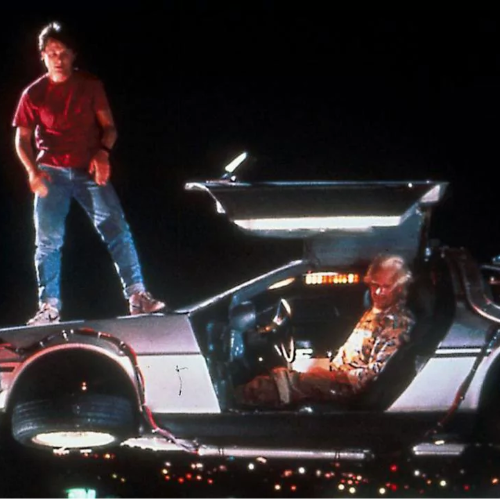
Sean Hutchinson and Mental Floss present 37 Things to Look for the Next Time You Watch Back to the Future. Here are three of my favorites…
6. MAYOR RED THOMAS FELL ON HARD TIMES.
When Marty sees the tramp on the bench in 1985 he shouts out the name “Red,” which could indicate this character is Red Thomas, the mayor of Hill Valley in 1955. The photo of Thomas on his 1955 reelection campaign is actually Back to the Future’s set decorator, Hal Gausman.
7. THE GUY WHO THINKS MARTY IS “TOO DARN LOUD” PROBABLY LOOKS FAMILIAR.
The school administrator with the megaphone who chides Marty’s band, The Pinheads, for being too loud is singer Huey Lewis in his first acting role. The scene had an added irony as Lewis made The Pinheads stop playing his own song, “Power of Love,” which appeared on the Back to the Future soundtrack.
Marty also has a poster for the Huey Lewis & the News album “Sports” in his bedroom, and when Marty wakes up after getting back to the future in the improved 1985, Lewis’s soundtrack song “Back in Time” plays on his alarm clock radio.
10. UNCLE ‘JAILBIRD’ JOEY IS USED TO BEING BEHIND BARS.
Lorraine serves the family a cake for Marty’s unseen uncle Joey in 1985, which was supposed to celebrate his freedom from prison before he didn’t make parole.Joey’s penchant for the slammer is brought up again when Marty sees baby Joey in 1955 when his mother says, “Joey just loves being in his playpen. He cries whenever we take him out so we just leave him in there all the time.”
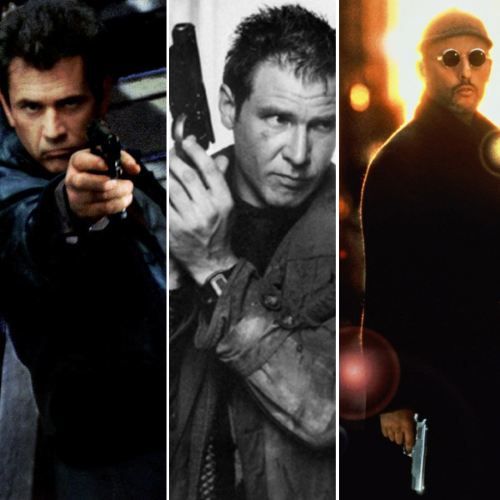
Jason Plautz and Mental Floss present 11 Director’s Cuts That Changed a Movie’s Plot. Here are three of my favorites with my thoughts…
5. PAYBACK (1999)
In the theatrical release of this Mel Gibson film, almost the entire third act differs from director Brian Helgeland’s original vision, which was unresolved until the release of a 2006 director’s cut. The most notable change, however, comes at the very end of the movie. In the theatrical release, Gibson’s character kills two top mob figures, then drives off happily with the female lead, Rosie, and his dog. In Helgeland’s version, Gibson is shot in a train station showdown. Rather than driving off happily with Rosie, she picks him up while he is bleeding and his fate is left up in the air.
Craig’s thoughts: I love the fact that both versions of the film are available. I have and am a fan of both. Gibson’s theatrical version is more audience-friendly, and Helgeland’s more noir. It’s great that we can have both. Special note – I love the opening sequence that shows how Parker comes back from near-dead to get the cash and items needed to take his revenge.
1. BLADE RUNNER (1982)
Blade Runner has actually gone through many iterations. There was the theatrical cut released in 1982 with a “happy ending” shoehorned in by the studio. Both director Ridley Scott and star Harrison Ford hated it, and Ford has even confessed that he wasn’t giving it his all when recording a voiceover that he called “not an organic part of the film.” Then came the “directors cut” in 1992 that Scott also disowned.
Finally, Warner Bros. worked with Scott in 2007 to release the Final Cut of Blade Runner, the only version over which Scott had complete control. It contained several changes (particularly to the score) and new scenes, but perhaps the most significant was the confirmation—or close to it—that Ford’s character Deckard actually was a replicant. Instead of the “happy ending” that shows Deckard and Rachel driving through a beautiful landscape, Scott’s ending is more ambiguous and simply shows them leaving Deckard’s apartment. Plus the appearance of an origami unicorn in front of Deckard’s door hints that he is, in fact, a replicant (a similar calling card had been used earlier in the film to denote replicants). In interviews about the new release, Scott confirmed that Deckard was a replicant in his version, although Ford said he believed the character was human.
Craig’s thoughts: I saw Blade Runner during its initial theatrical release. I liked it. Didn’t love it. Over the years I’ve seen so many different versions. Some Blade Runner fans get pretty upset arguing if Deckard is a replicant or not. I don’t have a strong opinion either way, although if he is, it creates a more shocking ending.
6. LÉON: THE PROFESSIONAL (1994)
In the original film, the relationship between the hitman Léon and his 12-year-old neighbor Mathilda was already a little dicey, what with the two of them collaborating on a series of murders. But the directors cut adds a whole new level of discomfort. In it, Mathilda—played by Natalie Portman in her film debut—is shown to be far more involved in the assassinations of a crew of drug dealers. She also sexually propositions Léon and plays a game of Russian roulette to force Léon to say that he loves her. Those scenes were in the original European release, but were cut because producers were concerned about how American audiences would react.
Craig’s thoughts: I wonder how Leon would play in our current climate. Having a child become a professional assassin would be a tough sale and definitely not politically correct. I’m glad the sexually suggestive scenes were cut. I think the idea of Leon being a paternal influence is much more interesting than the alternative.
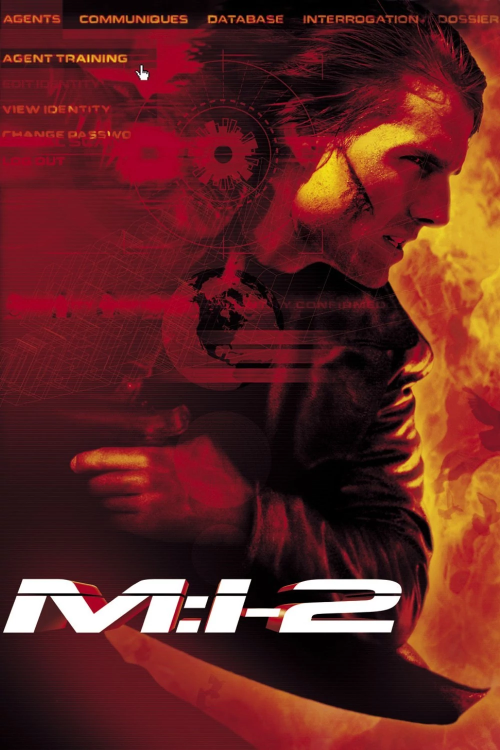
Rob Hunter and Film School Rejects present 25 Things We Learned from John Woo’s Mission Impossible 2 Commentary. Here are three of my favorites…
2. He was concerned about competing with Brian De Palma’s style, but Cruise was very adamant that he wanted Woo’s style for the second film. “He loved Face/Off, he loved all of my Hong Kong films.” Cruise said his goal was to have each film — each “episode” — be a different style from a different director. “That made me feel relaxed.”
7. Director and star clashed over some of the stunts as Woo wanted stunt doubles and Cruise was adamant about doing them himself. He told Woo he didn’t like “cheating” and that it’s too easy to spot when the actor is being doubled because of body movement, timing, etc. It didn’t help that Woo is himself afraid of heights. “I admire his courage.”
22. Cruise shared with Woo his love of Bruce Lee, so the director used that as inspiration for designing the end fight between Hunt and Ambrose.

Daniel Boone holds a special place in American History and the childhood memories of many my age. Fess Parker portrayed Daniel Boone as a decent, fearless, fair man who’s exciting adventures were the basis of legend.
Lucas Reilly and Mental Floss present 14 Facts About Daniel Boone. I hope the legend and the truth aren’t too far apart. Here are three of my favorites…
6. HE ESSENTIALLY LIVED THE PLOT OF TAKEN.
In July 1776, Boone’s daughter Jemima, along with two other teenagers, were abducted by Cherokee and Shawnee Indians while they were out canoeing. With help from the girls—who were breaking twigs and leaving markings whenever they could—Boone managed to find them in just three days (just like Liam Neeson, he had a very particular set of skills). At least two of their captors were killed. The incident later inspired a scene in James Fenimore Cooper’s The Last of the Mohicans.
7. HE WAS A SHAWNEE CHIEF’S ADOPTED SON.
In February 1778, Boone and a party of men were captured by Shawnee Indians. Boone made an impassioned case to Chief Blackfish, asking the natives to spare their lives. In exchange, come spring he would ensure that Boonesborough would surrender peacefully. Boone’s plea worked. Not only did Chief Blackfish adopt Boone into the tribe, he made the frontiersman his son. “During our travels, the Indians entertained me well; and their affection for me was so great, that they utterly refused to leave me there with the others,” Boone said. He was given the name Big Turtle.
13. FAME ANNOYED HIM.
John Filson’s 1784 book The Discovery, Settlement and Present State of Kentucke made Boone famous. Soon, stories about Boone’s life were detaching from reality. He hated it: “Nothing embitters my old age [more than] the circulation of absurd stories … many heroic actions and chivalrous adventures are related of me which exist only in the regions of fancy. With me the world has taken great liberties, and yet I have been but a common man.”
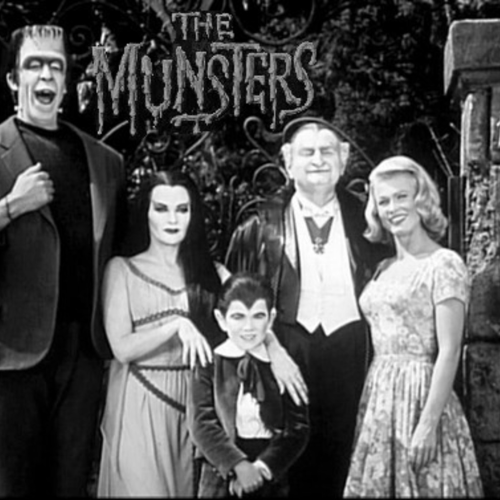
Me-TV presents 10 Colorful Facts About The Munsters. Here are three of my favorites…
1. The idea dates back to 1943.
The idea for a family of comedic Universal monsters dates back to the heyday of Universal monster pictures. In the early 1940s, the studio was still flying high off its monster franchises. It had recently launched The Wolf Man and The Phantom of the Opera. Lon Cheney Jr. was shambling along in The Ghost of Frankenstein. In 1943, Bob Clampett, an animator who worked on Looney Tunes cartoons, pitched the idea of a funny Monster family to Universal. After a couple years developing the concept, nothing came of it for two decades. Even in the 1960s, as interest picked back up, some at the studio believed it should be a cartoon.
8. The original Marilyn quit acting after 13 episodes — and a third Marilyn was used in the movie.
No Munster family member changed like Marilyn, Lily’s niece. Initially, Beverley Owen (pictured here) filled the role. Midway through season one, Owen quit the business entirely, to get married and focus on her family. She would later earn a masters degree in Early American History. Pat Priest popularized the role of Marilyn thereafter on the show. However, Universal recast the character for Munster, Go Home! The studio inserted Debbie Watson — 12 years younger — into the role, in hope of building the contracted starlet’s career.
9. The Drag-U-La was made with an illegally purchased coffin.
Reportedly, according to legend, a real coffin was used to make the awesome DRAG-U-LA hot rod seen in Munster, Go Home! The only catch that it was supposedly illegal to purchase a coffin without a death certificate in the state of California at the time. Richard “Korky” Korkes, the man who built the dragster, claimed he passed money under the table to a funeral home in North Hollywood, who left a coffin for him outside the back door.
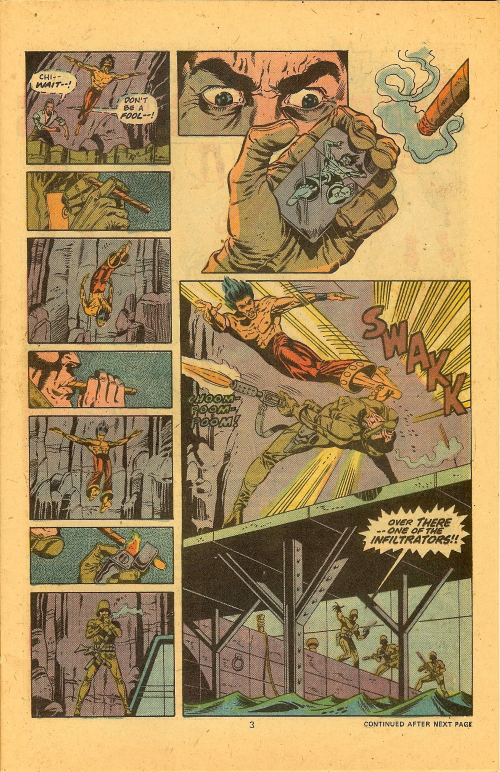
Joe at The Periodic Fable presents an excellent overview of the run by Doug Moench and Paul Gulacy on Master of Kung Fu.
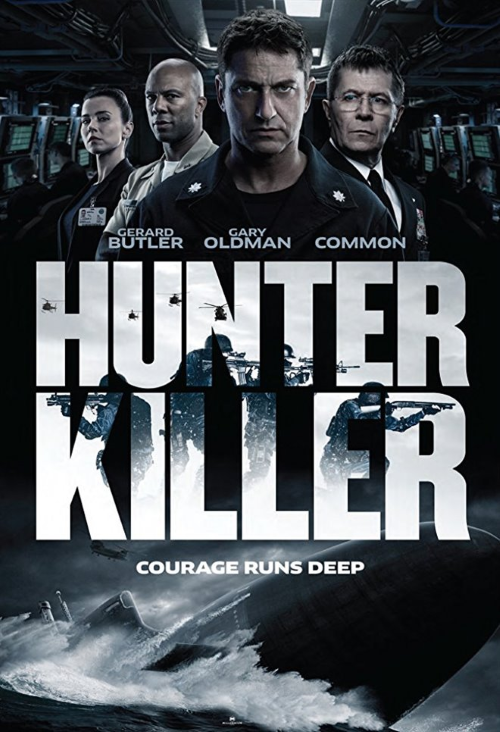
Here’s the poster and trailer for Hunter Killer.