Rare Poster for “The Usual Suspects”
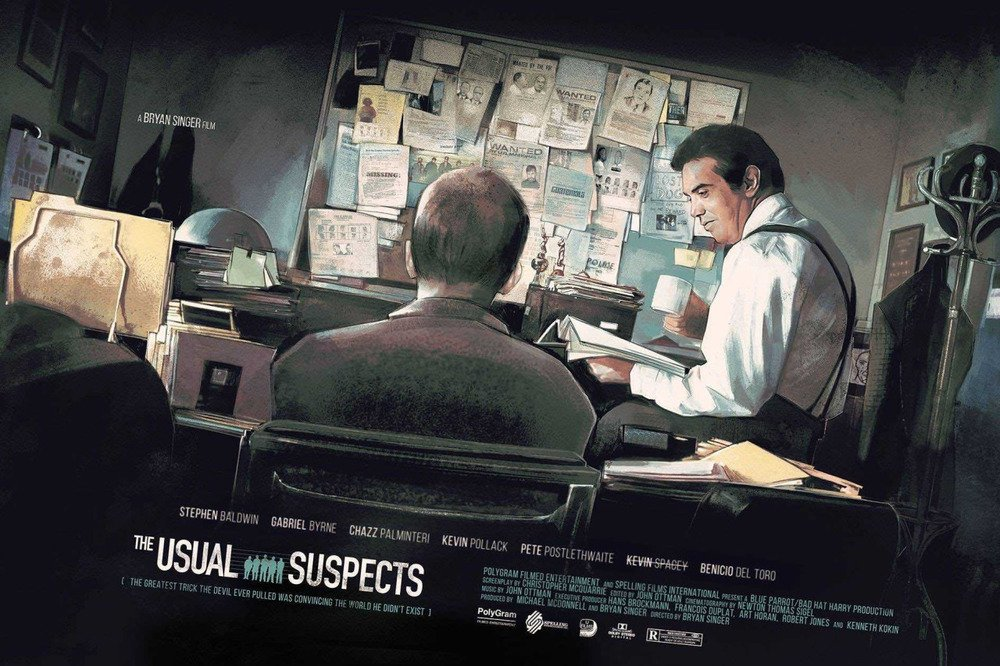
Check out this rare poster for The Usual Suspects. Click on the photo for a larger view.
Source: Eyes on Cinema.
Previews and Reviews that are Z's Views
Check out this rare poster for The Usual Suspects. Click on the photo for a larger view.
Source: Eyes on Cinema.

Owen Gleiberman and Variety turn their sights to their choices for the 12 Greatest Giant Monster Movies.
Their list contains excellent choices. My top three today would be…
My most controversial pick would be The Amazing Colossal Man. The argument could be made for several other (better?) movies but TACM has always been a favorite since I was a kid. It’s hard to beat the nostalgia factor.
I was also glad to see Mysterious Island made the list. It’s not normally a movie listed for horror, but it did have some giant monsters so I won’t nit pick. Plus Mysterious Island is a fun movie.

If you’re a fan of fanzines, then you’ve got to check out Ken Meyer, Jr.’s monthly column Ink Stains. Each month Ken (who is an amazing artist) posts… well, let’s let Ken explain…
I have a collection of over 200 fanzines from the 60’s-80’s that I plan to scan and talk about, one at a time. I hope to have some of the participants answer a few questions. Many of those participants are established comics professionals now, while some have gone on to other things. I will show a few snippets from each zine and give you a link to download a pdf of the whole thing, which I hope all of you will do!
For Ink Stains 45, Ken took a look at Collector #29 from 1974 from Bill G. Wilson.
Collector #29 is a huge issue and features –
I’d never seen Collector 29 before but would have really been blown away back in the day seeing so many pros and fans coming together in a fanzine.
Ah, the memories of the glory days of fanzines. Thanks to Ken Meyer, Jr. for making these available!
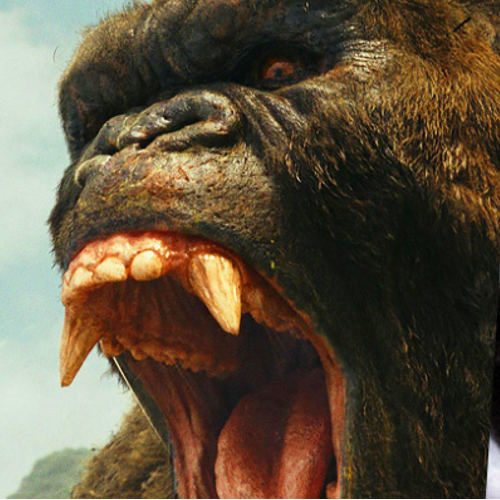
Oliver Lyttelton and Playlist have come up with their choices for The 50 Best Movie Monsters of All Time.
The great thing about this list is that by going 50 deep they are able to highlight some monsters usually not considered (and in many cases monsters that didn’t star in movies but made appearances).

Diversions of the Groovy Kind has posted the splash pages from the first classic run on Iron Man by David Michelinie, John Romita Jr., and Bob Layton. When these three fellows were on IM it was a special time and the splashes served almost as second covers.
Thanks to Diversions for giving us another look!
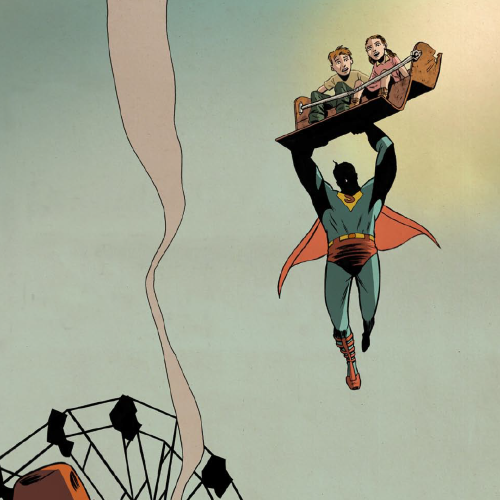
Adrien van Viersen is storyboard artist (X2, X3, Game of Thrones, and The Flash) and self-proclaimed life-long fan of Superman. His favorite Superman is that of the Golden Age.
van Viersen has created a Superman story that’s a love letter to that earlier, more innocent age. In the free fan fiction download (that is as good if not better than most published comics) we learn how Clark Kent discovered bullets didn’t hurt him, that a simple pair of glasses could be a great disguise and where he got the Superman persona.
All in all great fun!

Alex Maidy and JoBlo.com posted their choices for the Top 10 Comic Books That Should Become R-Rated Movies. By now you know how this game is played. Using just their list I present my top three choices…
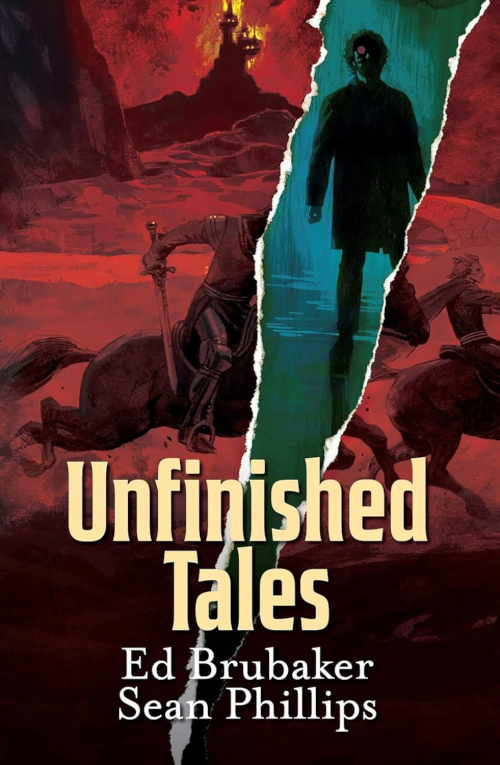
Other series that didn’t make the list but would be excellent candidates: 100 Bullets by Brian Azzarello and Eduardo Risso; Sleeper by Ed Brubaker and Sean Phillips; Gravedigger by Chris Mills and Rick Burchett, Polar by Victor Santos and Scout by Tim Truman.
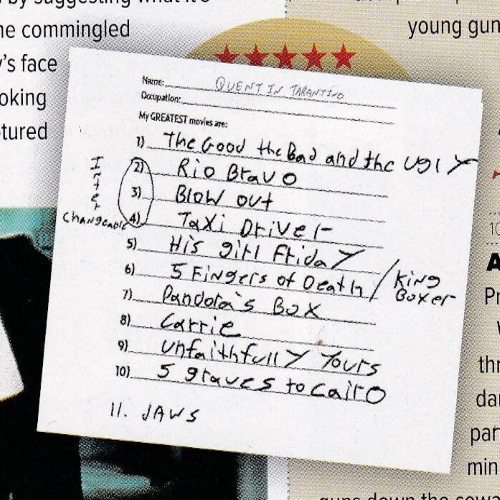
The PlayList recently posted Quentin Tarantino’s Choices for the 11 Greatest Movies of All Time.
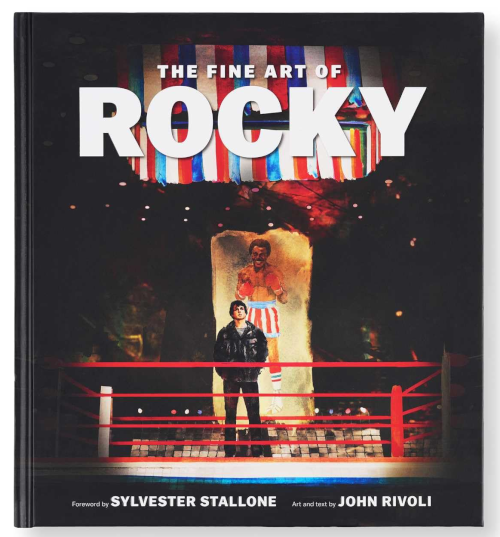
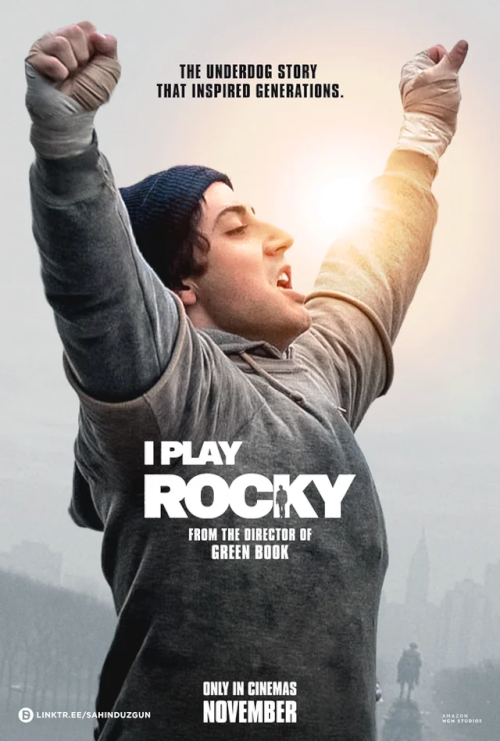
Tarantino has created an interesting list. I’ve never developed a top anything past two: Rocky and The Wizard of Oz. I think if I tried the rest would be interchangeable based on my mood.
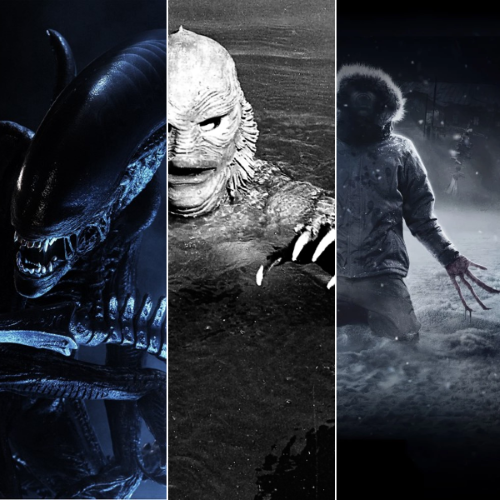
/Film posted their choices for The Best Movie Creatures of All Time. Using just their list, my top three (in alpha order) are:
Now if I went off-list, then I would have considered…
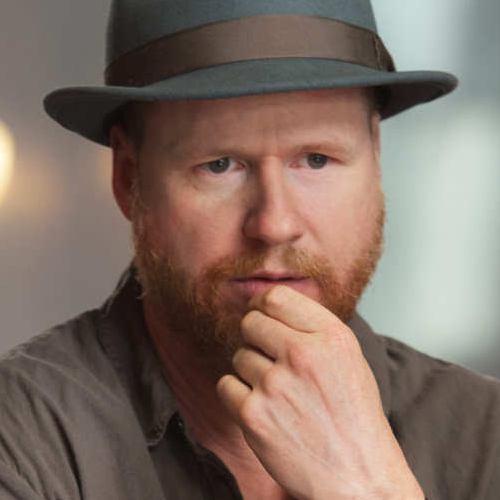
Joss Whedon (Writer – Director – Producer – Actor) makes some interesting observations in an interview with The Hollywood Reporter. Two things that stuck out for me were Whedon’s thoughts on reboots/reunions and binge-watching tv episodes.
Whedon on reboots/reunions…
“I see a little bit of what I call monkey’s paw in these reboots. You bring something back, and even if it’s exactly as good as it was, the experience can’t be. You’ve already experienced it, and part of what was great was going through it for the first time.”
Whedon is on point. As much as we want to bring back favorite favorites, it is so difficult. There has to be some growth or we’re getting more of the same and we’ve seen that. And Whedon is so right — part of what was great was experiencing it for the first time.
Whedon on binge-watching tv episodes…
“…the more it (television watching) becomes lifestyle instead of experience. It becomes ambient. It loses its power, and we lose something with it…I would not want to do it. I would want people to come back every week and have the experience of watching something at the same time… I loved event television.”
Technology has made movie and television watching less of an event. I love the convenience of being able to record and watch what I want when I want, but when was the last time watching something became an event (not counting live broadcasts)? When I was a kid, The Wizard of Oz was shown once a year and you’d better be in front of the tube when it was broadcast. I can still remember the thrill of being allowed to stay up late to watch it, or Hitchcock’s The Birds. The series finale of The Fugitive was another tv event that was huge. So was the murder of JR, a new episode of All in the Family.
Binge-watching takes away the event feel. Not only that, because the series is available ANY time you want, there is less of a pull to watch it. My wife and I tuned in every week for Longmire. When it switched to Netflix, we followed but now we could watch it whenever. We have a full season yet to be watched. Same with Daredevil. I’ve yet to watch a single episode of House of Cards or Luke Cage. What’s the rush? They’ll be there when I’m ready.

Francesco Francavilla has created a very cool limited edition print for Kong Skull Island. There are actually two versions that you can see at Mondotees.com.
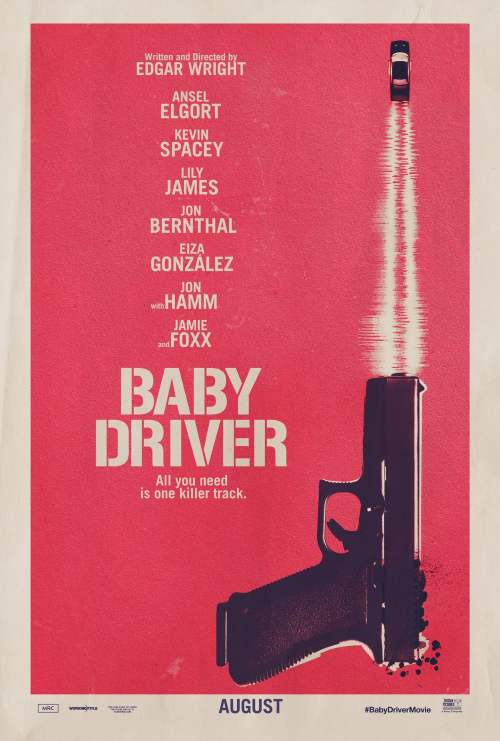
Wow! Baby Driver looks like a great ride. Check out the official trailer below and the international trailer even farther down.